-
Could an improvement notice achieve the safety outcome?
Hughes argues for considering less disruptive options where circumstances allow. Immediate risks may still require an activity to stop.
-
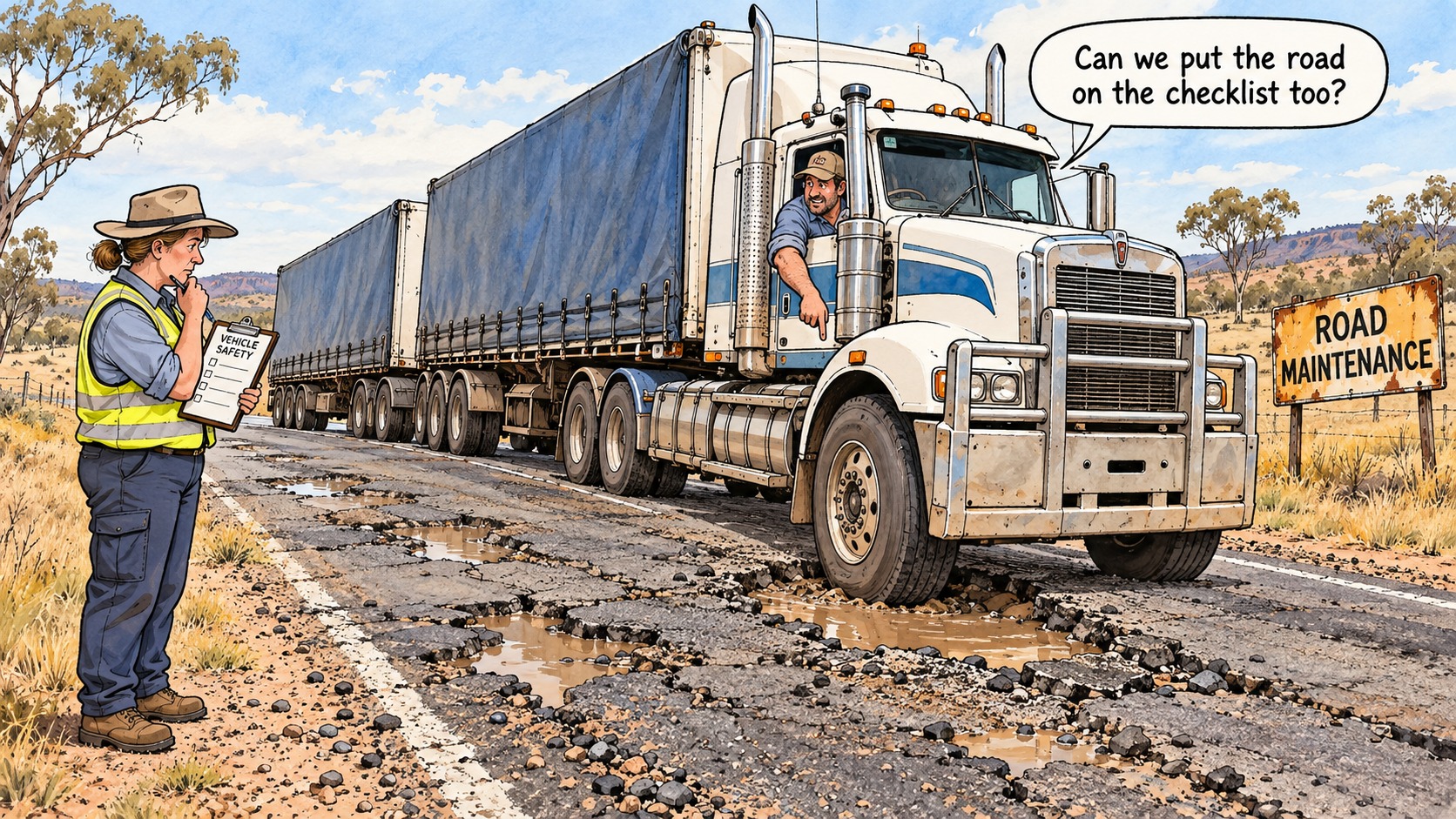
When the road contributes to the risk: what Rosie said after 10 hours in a B-double
After 10 hours in a B-double, NHVR CEO Nicole Rosie discussed road condition, maintenance, proportionate regulation and why drivers need to reach infrastructure planners earlier.
-
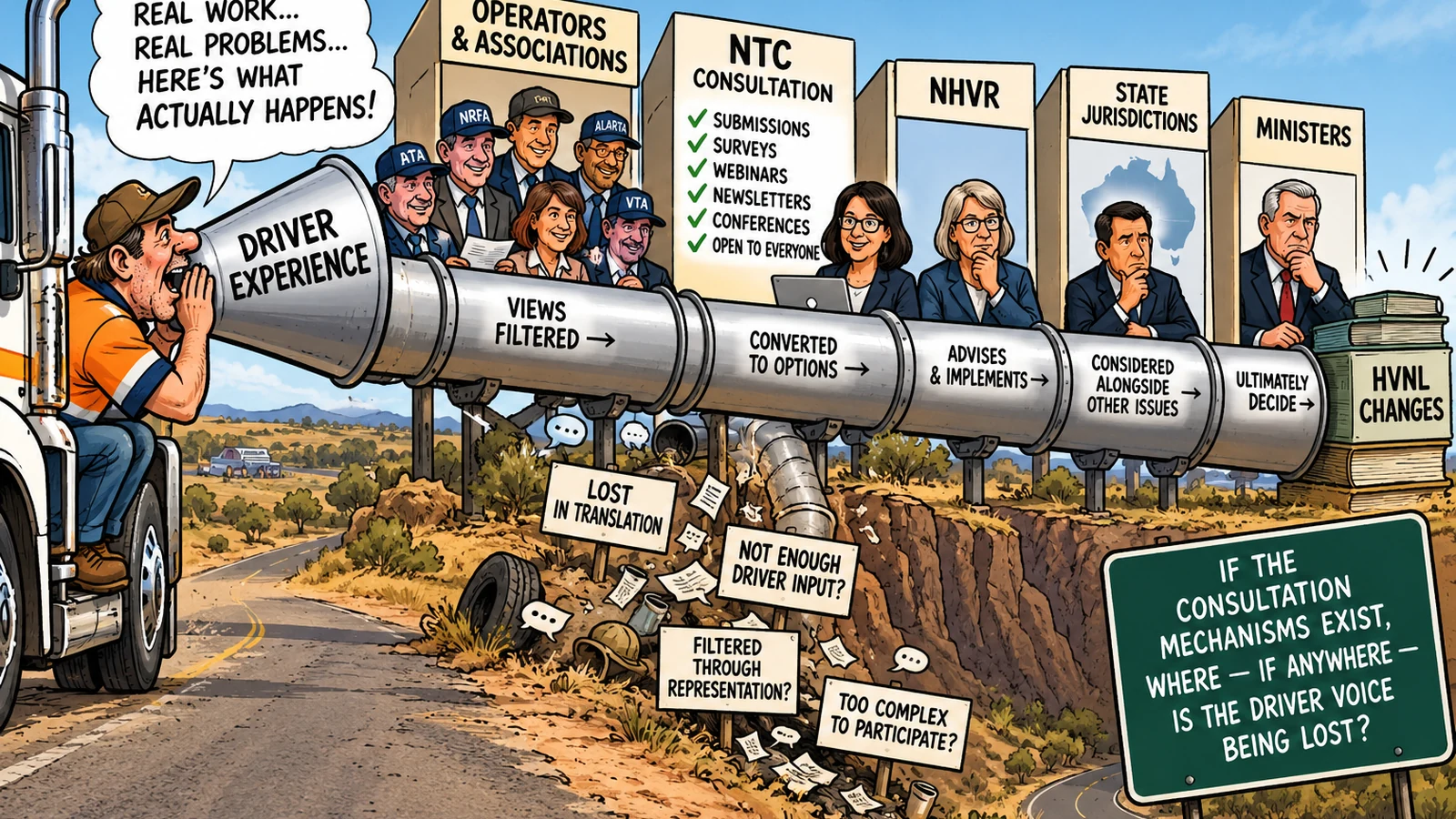
Where does the driver voice enter heavy-vehicle decisions?
NTC says its consultations are open to everyone. NHVR CEO Nicole Rosie agrees a driver’s perspective can still be lost. Rod Hannifey wants a more direct channel for the people doing the work.
-
Grounding a transport operation: what is the prohibition threshold?
Belinda Hughes calls prohibition a powerful intervention. The question is how the identified risk supports the activity being stopped.
-
Will your whole combination clear the crossing? Heavy-vehicle operators warned about level-crossing stacking
A clear path for the cab is not enough. The NHVR and Queensland Rail warning puts the focus on whether the whole combination can cross without leaving a trailer over the tracks.
-
Sunshine Coast food-waste carrier penalised after failing to comply with driver back-pay notice
A Sunshine Coast road-transport company and its sole director have been ordered to pay a combined $16,155 in penalties and back-pay after the company failed to comply with a Fair Work Ombudsman notice concerning a former truck driver’s annual leave. The Federal Circuit and Family Court imposed a $7,500 penalty against Barco Traders Pty Ltd,…
-
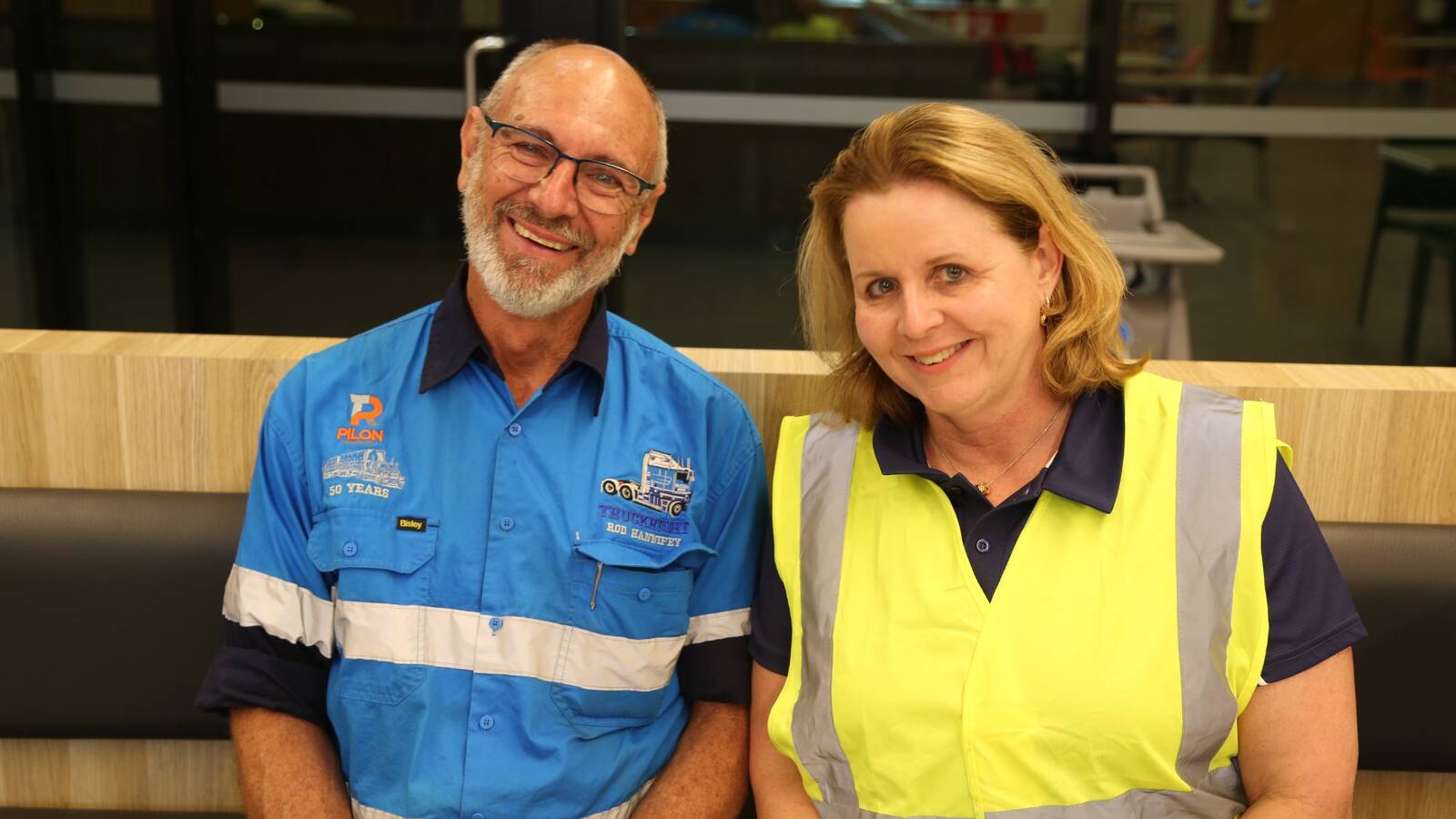
Why the NHVR CEO spent 10 hours in a B-double
Nicole Rosie accepted Rod Hannifey’s invitation to travel from Dubbo to Brisbane in a working truck. At the end of the run, she said NHVR staff should experience full shifts with drivers too.
-
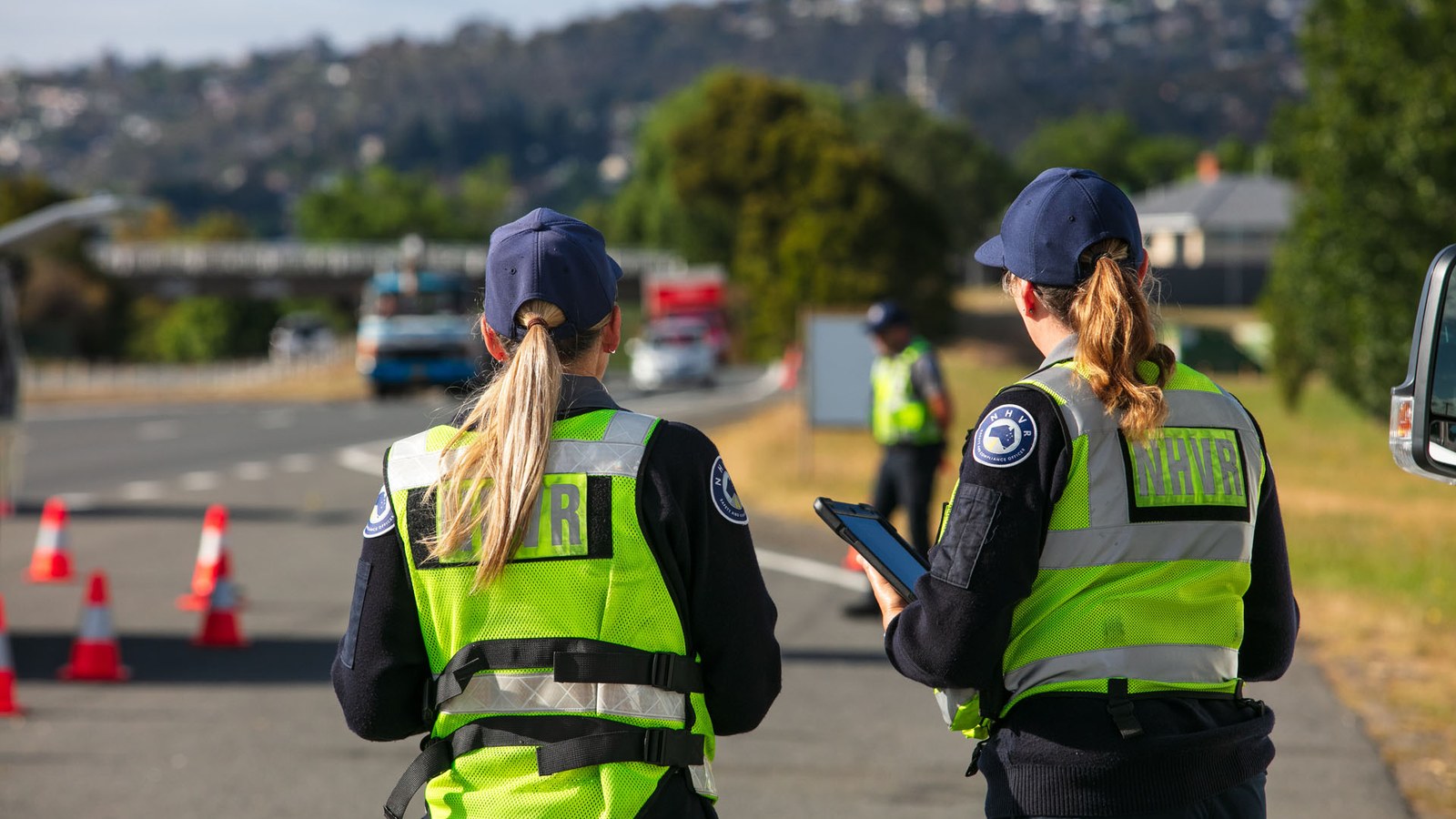
Grounding a fleet: former NHVR prosecutions director questions how prohibition powers are being used
Former NHVR Director of Prosecutions Belinda Hughes raises questions about proportionality, procedural fairness, SMS expectations and the use of prohibition notices.
-
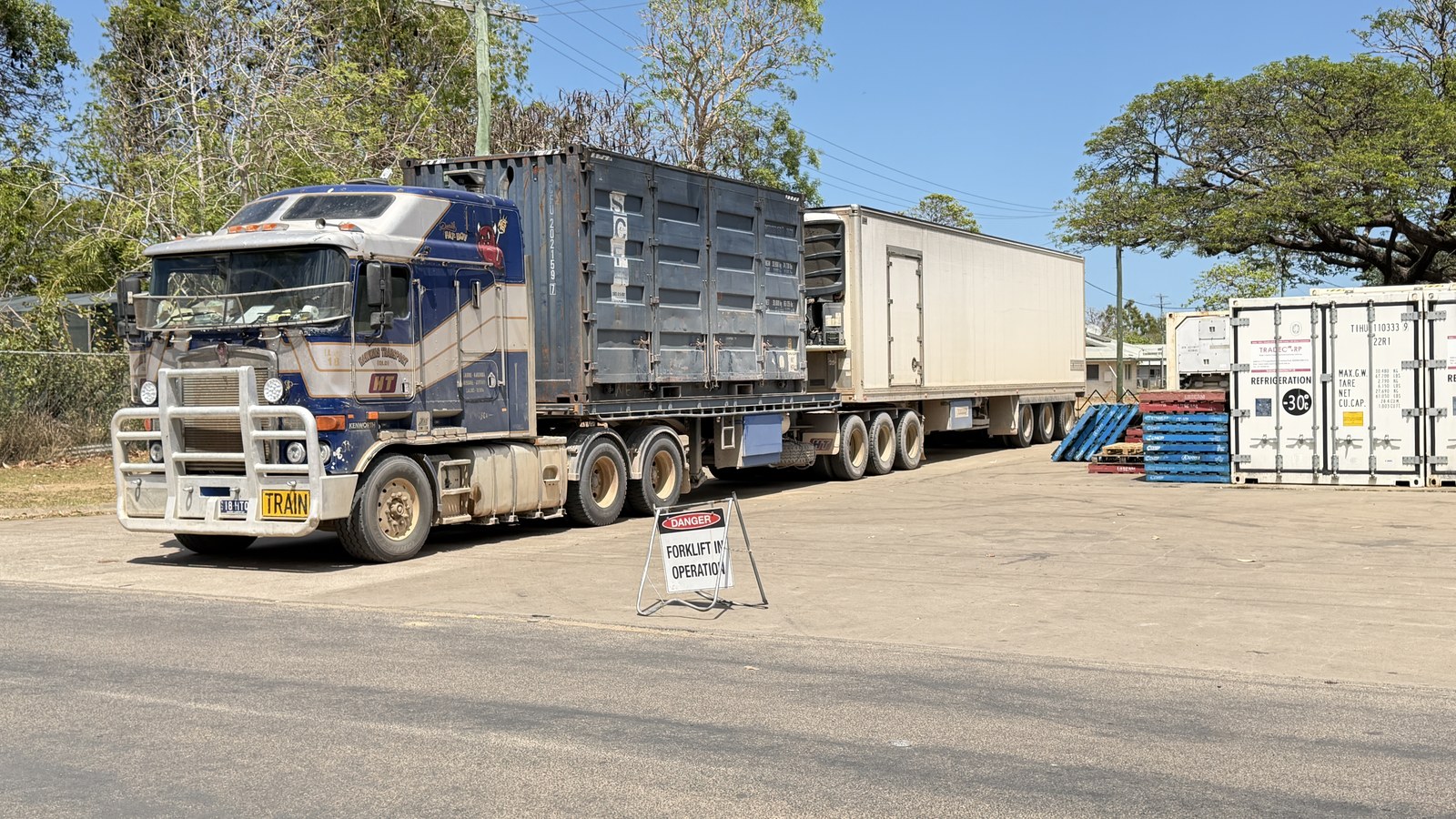
When one freight carrier stops, who keeps remote Queensland supplied?
The Hawkins shutdown exposed a wider question for remote Queensland: when commercial freight capacity suddenly disappears, who is responsible for making sure essential supplies keep moving?
-
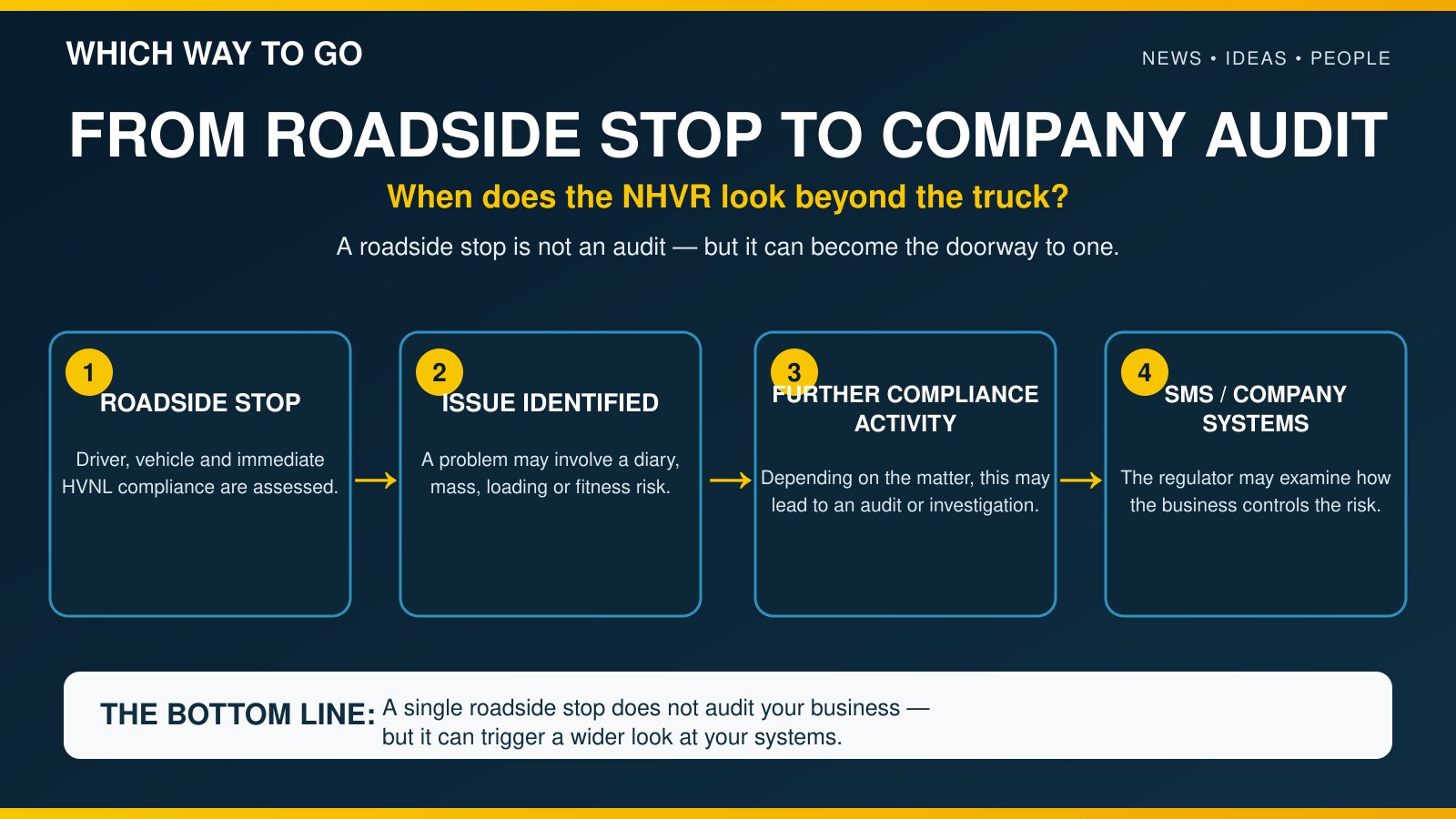
From roadside stop to company audit: when does the NHVR look beyond the truck?
A truck is intercepted and a compliance problem is found. Does the matter end with the driver and vehicle — or can it lead the regulator back through the operator’s entire safety system? The NHVR has clarified where the roadside inspection ends and broader scrutiny of the business can begin.