-
NHVR says the Euro VI mass drafting problem is fixed — but the operational explanation is still missing
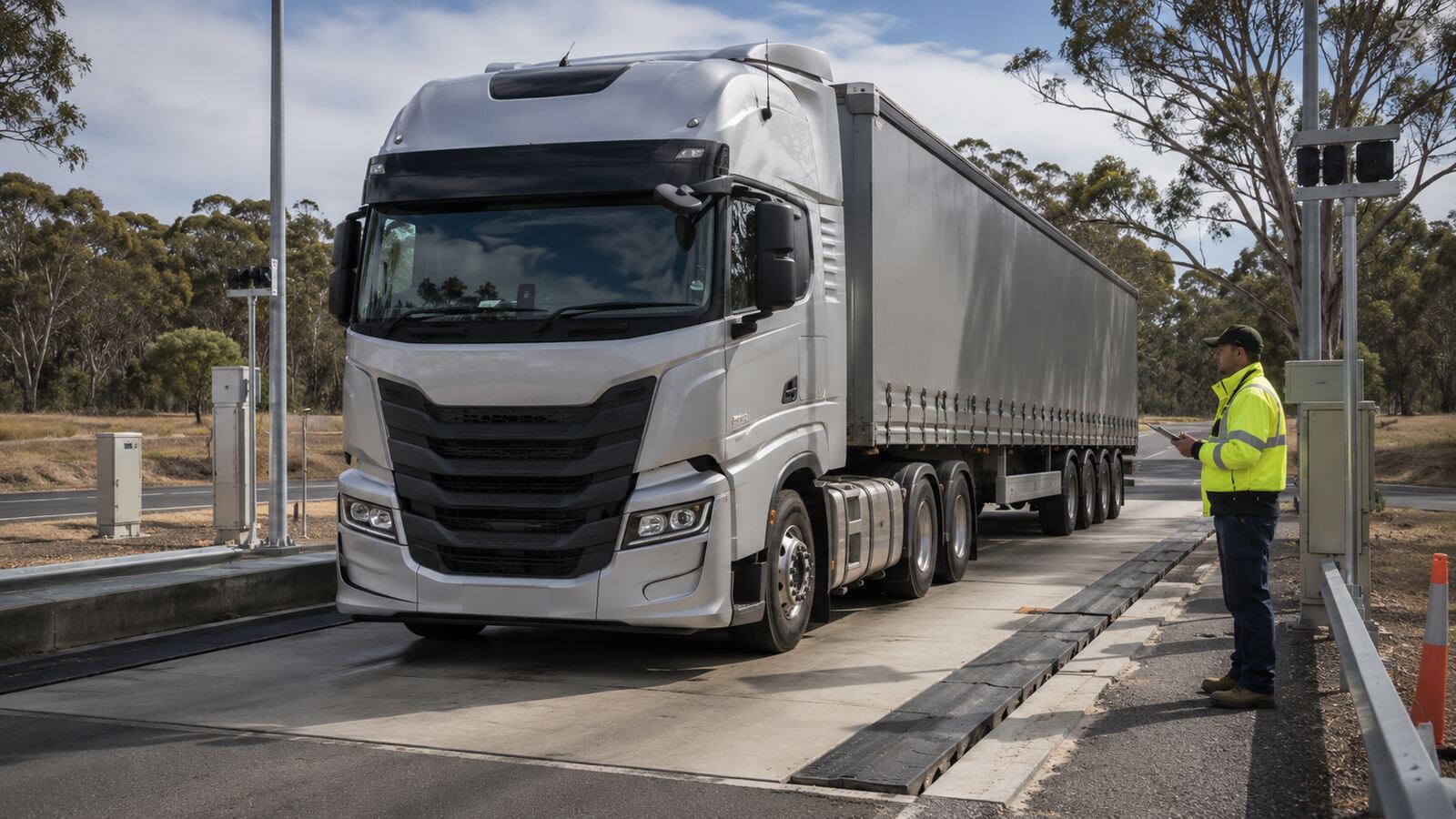
The NHVR says recent Heavy Vehicle National Law amendments have resolved a drafting issue affecting the Euro VI mass exception. It did not explain what was wrong, whether operators were affected or how the interim position was enforced.
-

Three Mainfreight companies filed up to 355 days late. ASIC says the problem was the deadline, not the accounts
Three Australian Mainfreight group companies each paid a $198,000 infringement notice over alleged late FY2025 financial reporting. ASIC says all three reports are now lodged and it found no content deficiency through this enforcement action.
-

FedEx workers stopped work over job security. The unresolved argument is who controls automation
FedEx workers staged two-hour stoppages after bargaining put job security, contractors, AI and automation into the same dispute. FedEx says it remains committed to safety and secure, sustainable employment, but its response did not address the proposed technology protections in detail.
-

Hawkins is back on the road. The key question is still unanswered: what changed?
NHVR says identified safety risks justified stopping Hawkins Transport, then lifted the prohibition after a compliance pathway was agreed. It has acknowledged remote freight consequences — but has not disclosed what changed enough to allow operations to resume.
-

$674,000 in fines: Linq case shows what executive due diligence requires
Linq Buslines and two directors have been fined after admitted failures involving recruitment, health checks and responses to identified speeding risks.
-

The new ‘unfit to drive’ duty is now in force—what does it mean for operators?
Since 1 August 2026, the HVNL’s unfit-to-drive duty has applied to drivers of all heavy vehicles over 4.5 tonnes—not only fatigue-regulated vehicles—and Chain of Responsibility parties must not cause or encourage unsafe driving.
-

The transport document many operators have never heard of – the Heavy Vehicle Industry Master Code
The Heavy Vehicle Industry Master Code is not legislation and creates no new duty. But it can help a court assess what was reasonably practicable after an alleged breach of the HVNL primary duty.
-

The Master Code creates no new legal duties—but it could change how “reasonably practicable” is judged.
The revised Heavy Vehicle Industry Master Code creates no new legal duties, but its expanded, activity-based guidance could shape how courts assess whether transport businesses properly managed risk.
-
What is a heavy-vehicle defect notice?
A heavy-vehicle defect notice is an enforcement notice identifying a vehicle defect and the restrictions, repair and clearance steps required before unrestricted use can resume.
-
What are the HVNL speed compliance duties?
Drivers must obey applicable speed limits, and businesses must ensure their transport activities, requests and contracts do not cause or encourage a heavy-vehicle driver to speed.