-
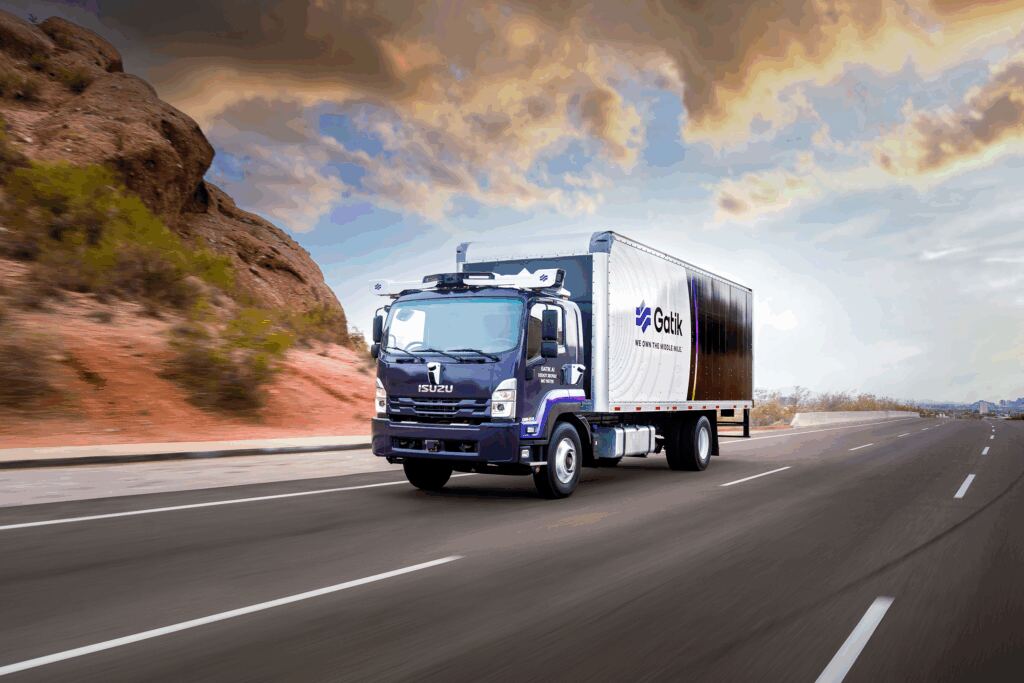
85,000 driverless deliveries later, autonomous freight is getting hard to call an experiment
Gatik says it has completed 85,000 fully driverless orders and locked in more than US$600 million in contracted revenue. The Australian question is not whether autonomy can move freight, but where it would make commercial sense first.
-
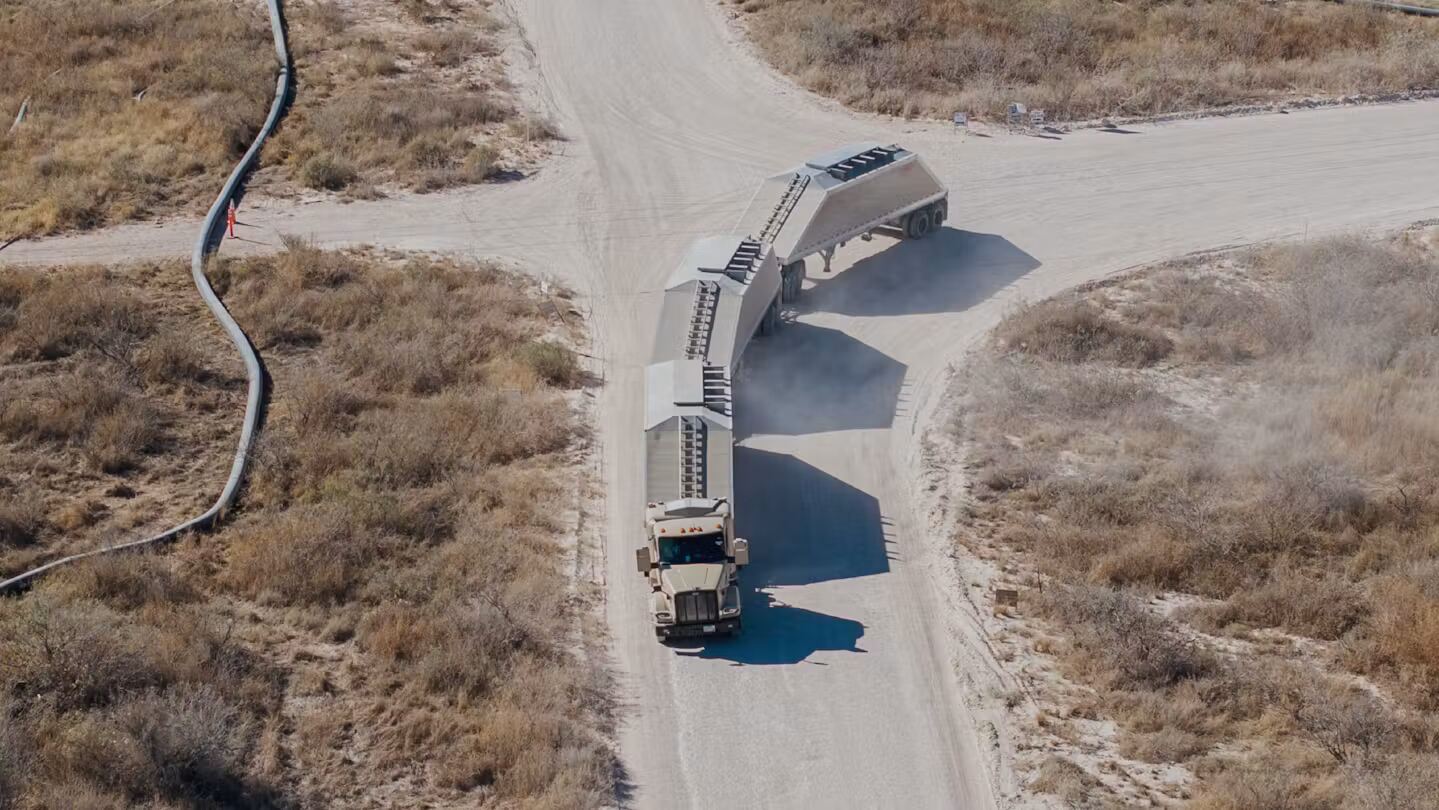
The 50-metre driverless truck is already working — and Australia should be watching
A Kodiak autonomous prime mover is hauling three trailers across the Permian Basin. For Australians accustomed to road trains, the remarkable part isn’t the number of trailers. It’s the empty driver’s seat.
-
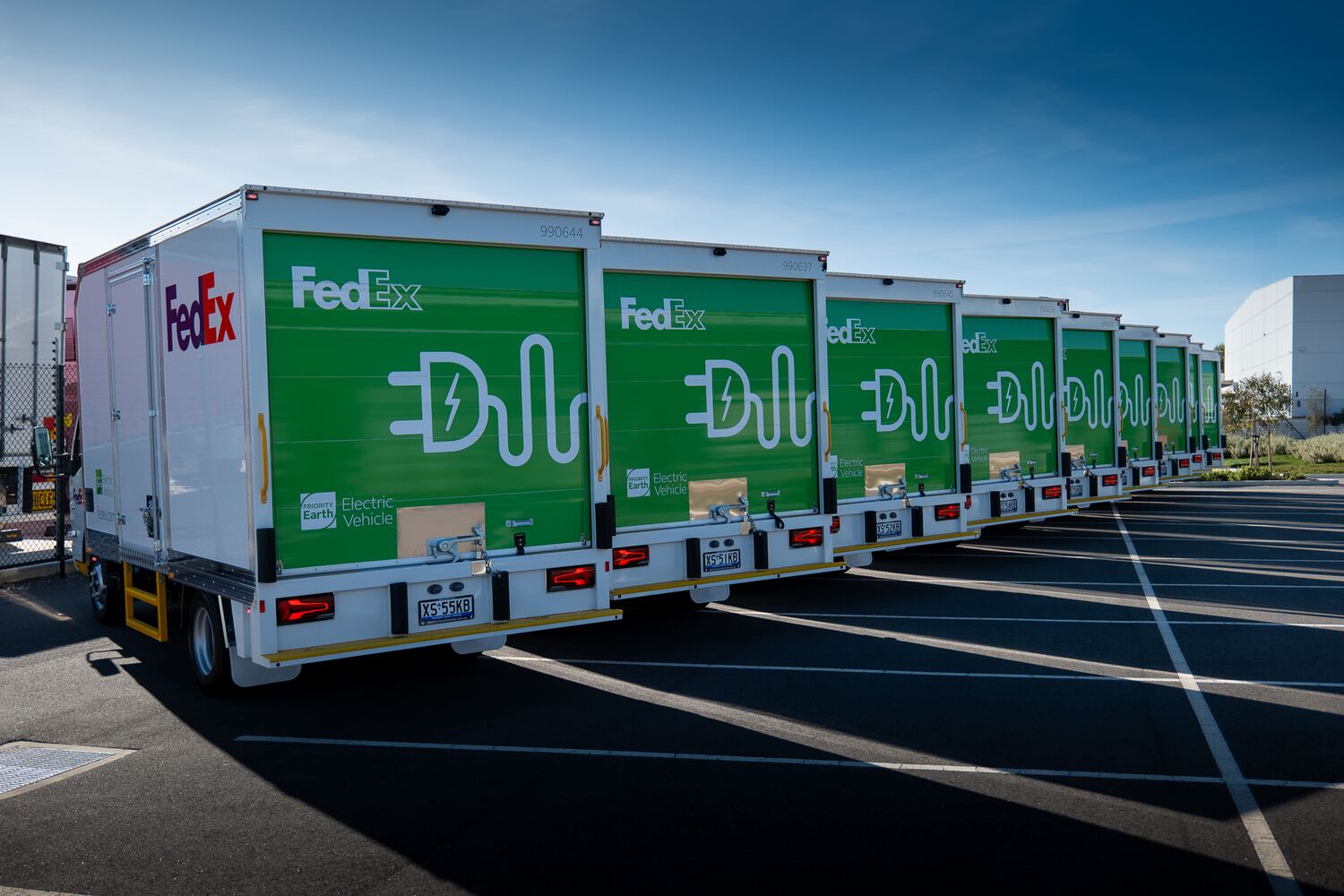
FedEx workers stopped work over job security. The unresolved argument is who controls automation
FedEx workers staged two-hour stoppages after bargaining put job security, contractors, AI and automation into the same dispute. FedEx says it remains committed to safety and secure, sustainable employment, but its response did not address the proposed technology protections in detail.
-
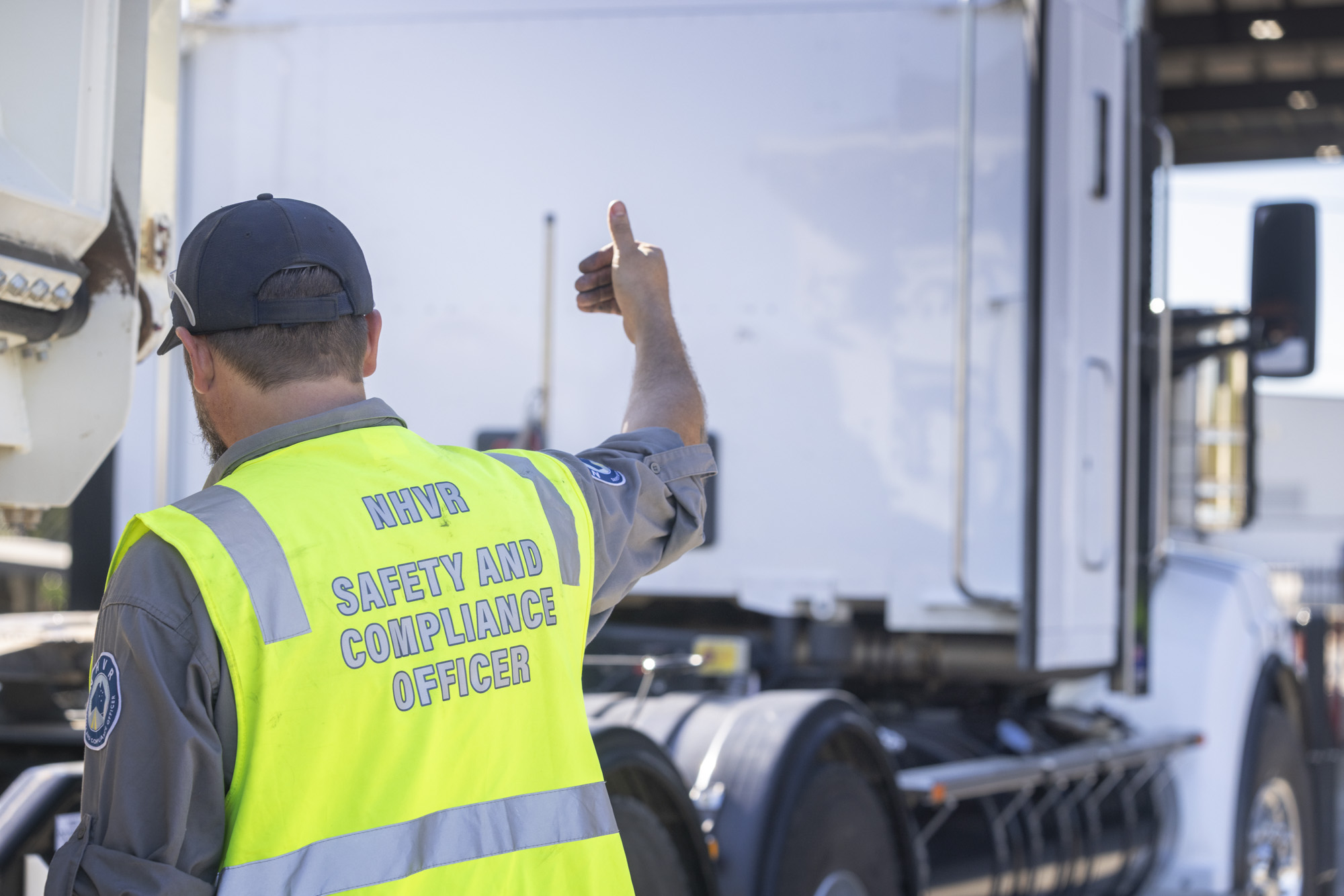
Hawkins is back on the road. The key question is still unanswered: what changed?
NHVR says identified safety risks justified stopping Hawkins Transport, then lifted the prohibition after a compliance pathway was agreed. It has acknowledged remote freight consequences — but has not disclosed what changed enough to allow operations to resume.
-
Australia missed its first heavy-vehicle permit target. Now NAAS has to prove the bigger promise
The national project was meant to halve heavy-vehicle permit demand within three years. That milestone has been missed — but the system promising to automate most permit decisions is now moving into real-world rollout.
-
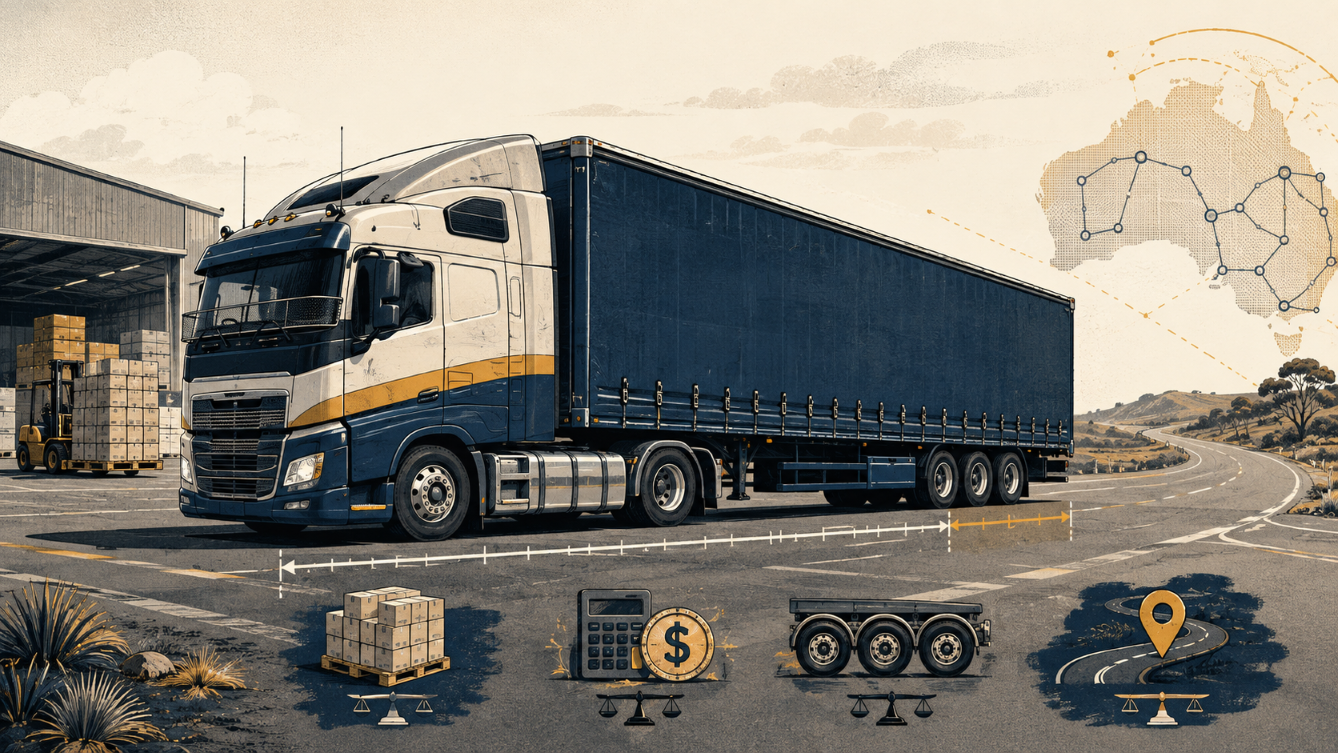
Will a 20-metre truck make you more money?
The extra metre and the shift from concessional to general mass limits can remove a costly compromise. But the winner between prescriptive 20 metres, higher mass and PBS depends on what the freight task is paying for.
-
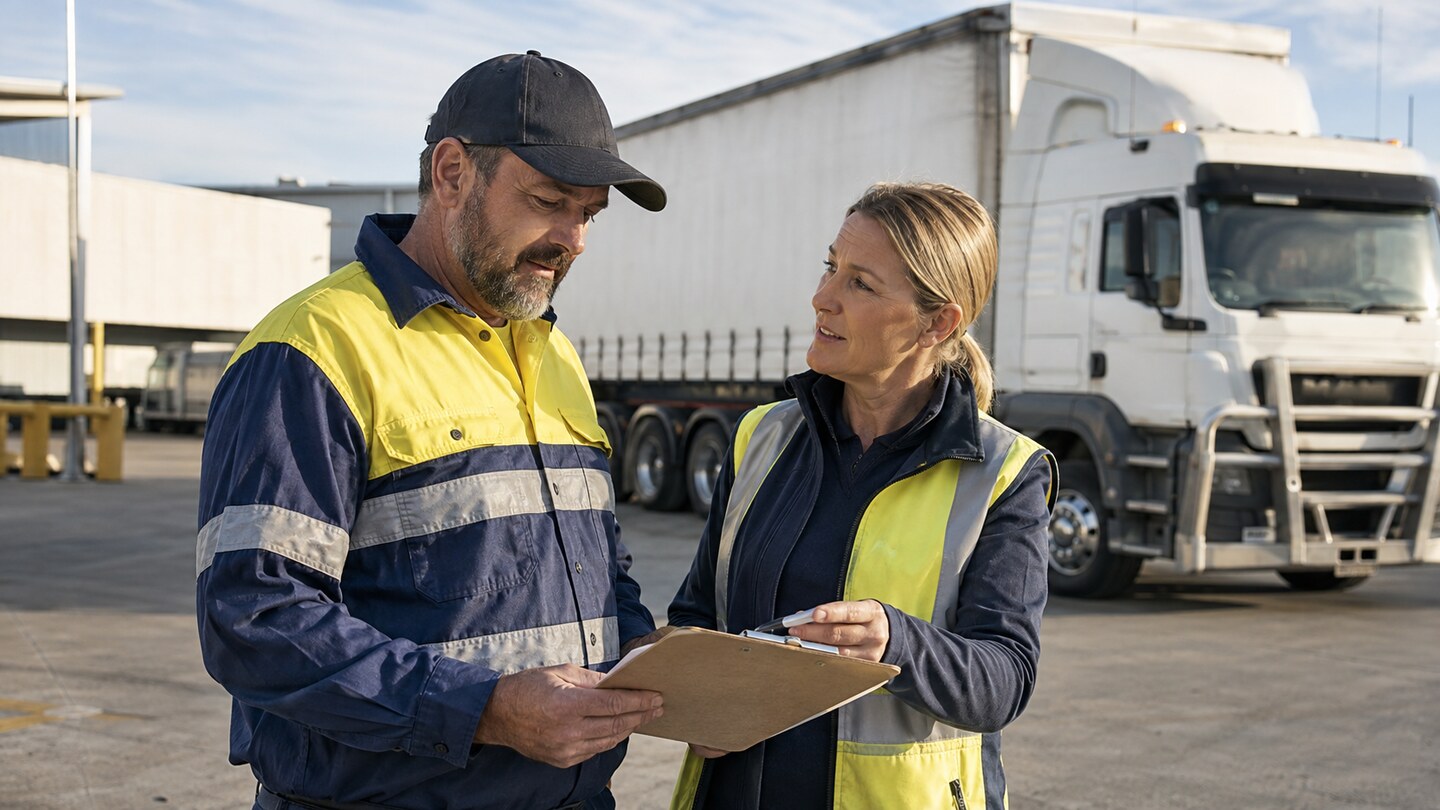
The new ‘unfit to drive’ duty is now in force—what does it mean for operators?
Since 1 August 2026, the HVNL’s unfit-to-drive duty has applied to drivers of all heavy vehicles over 4.5 tonnes—not only fatigue-regulated vehicles—and Chain of Responsibility parties must not cause or encourage unsafe driving.
-
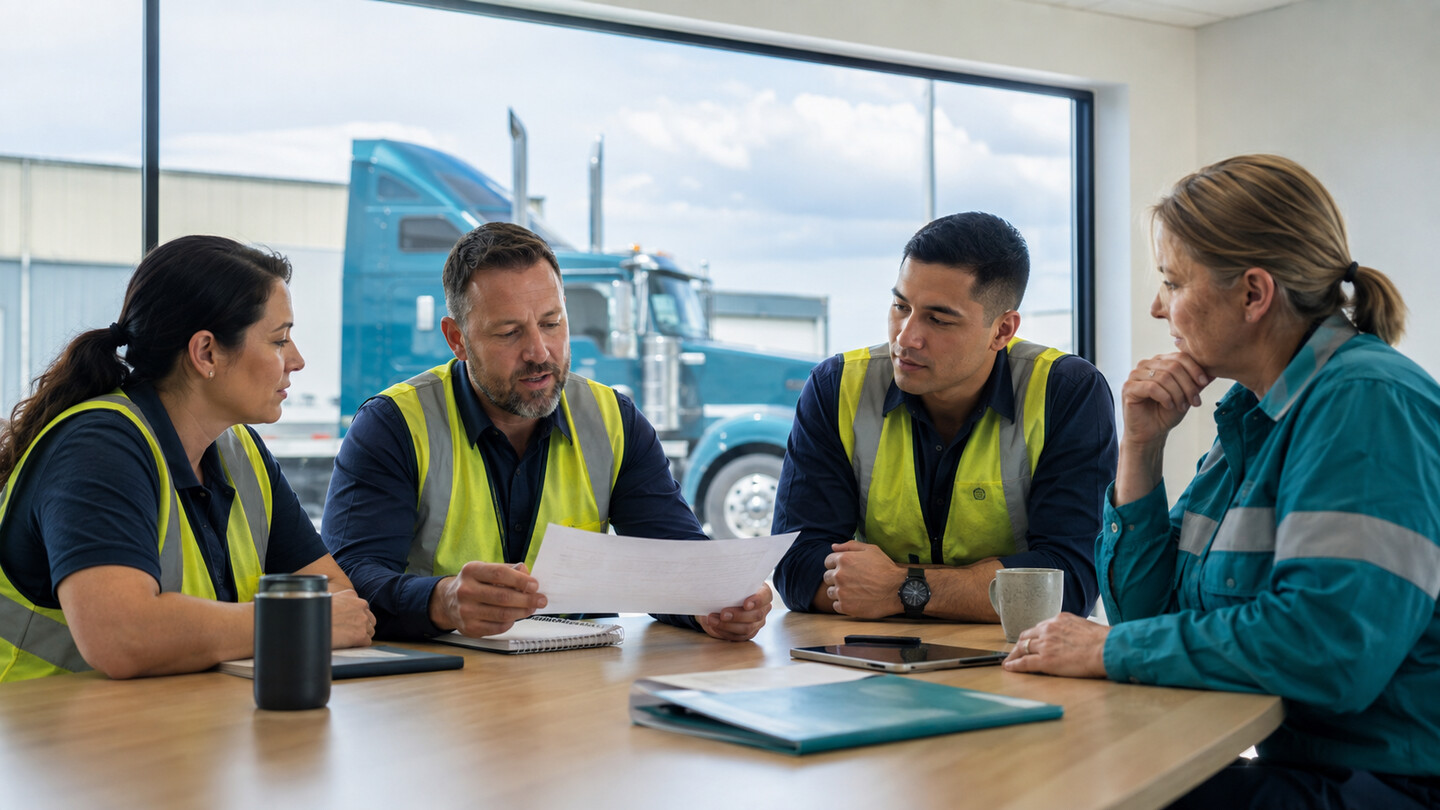
The Master Code creates no new legal duties—but it could change how “reasonably practicable” is judged.
The revised Heavy Vehicle Industry Master Code creates no new legal duties, but its expanded, activity-based guidance could shape how courts assess whether transport businesses properly managed risk.
-

Electric aircraft’s US$5 power bill carries a message for Australian freight
An aircraft weighing more than 11 tonnes has flown entirely on batteries. On the ground, Australian transport fleets are showing why electrification is also becoming a supply-chain security issue.