-
Electric truck fire toolkit gives fleets practical safety guidance
NTRO has announced an Electric Truck Fire Safety Information Toolkit to help fleets prepare drivers, workshops and depots for battery-electric heavy vehicles.
-
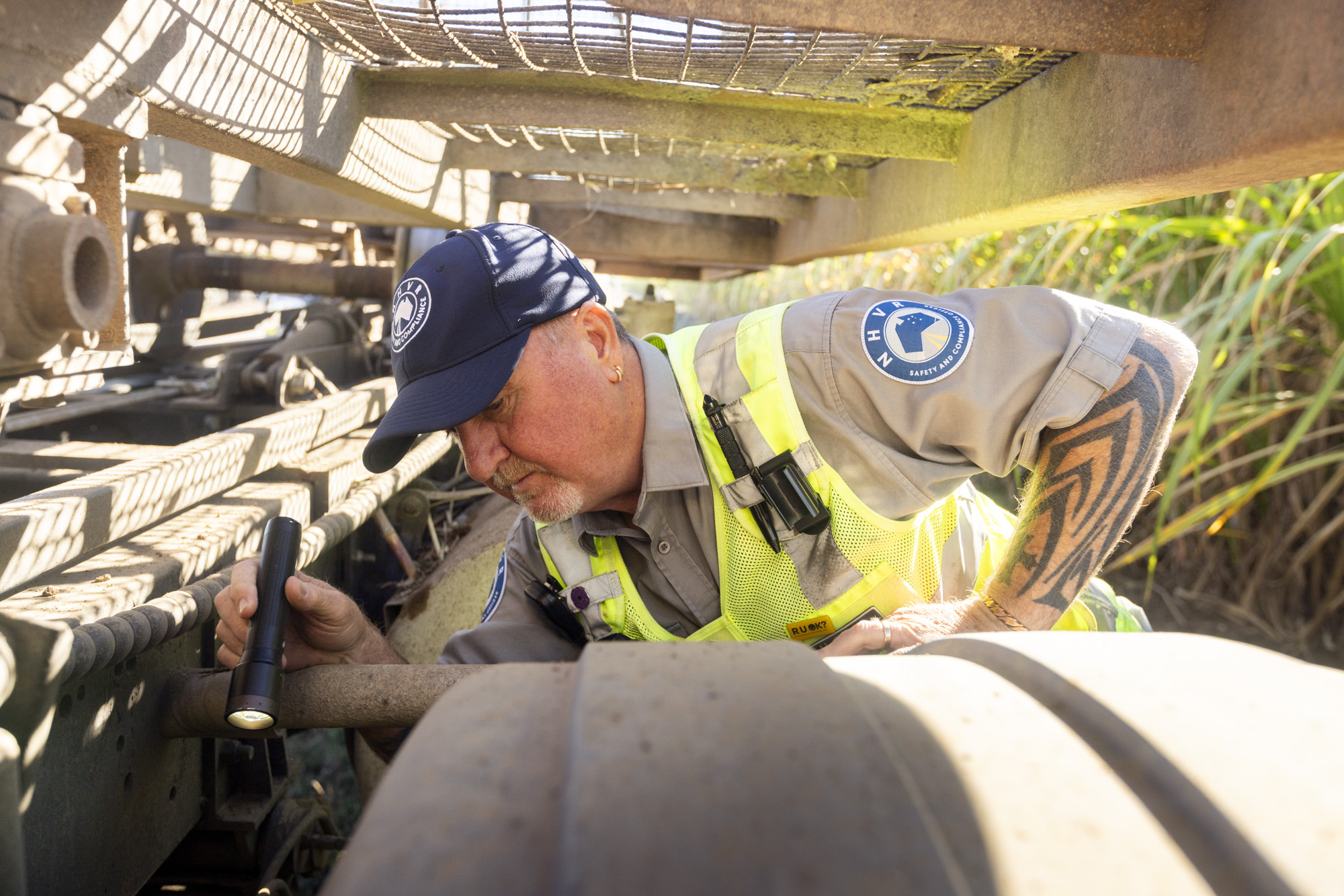
Cane truck compliance improves — but the NHVR figures need an important qualification
Queensland cane-haulage non-compliance fell to 27% in the NHVR’s 2026 Operation Humidity, but last year’s comparison operation covered Far North Queensland rather than the same statewide footprint.
-
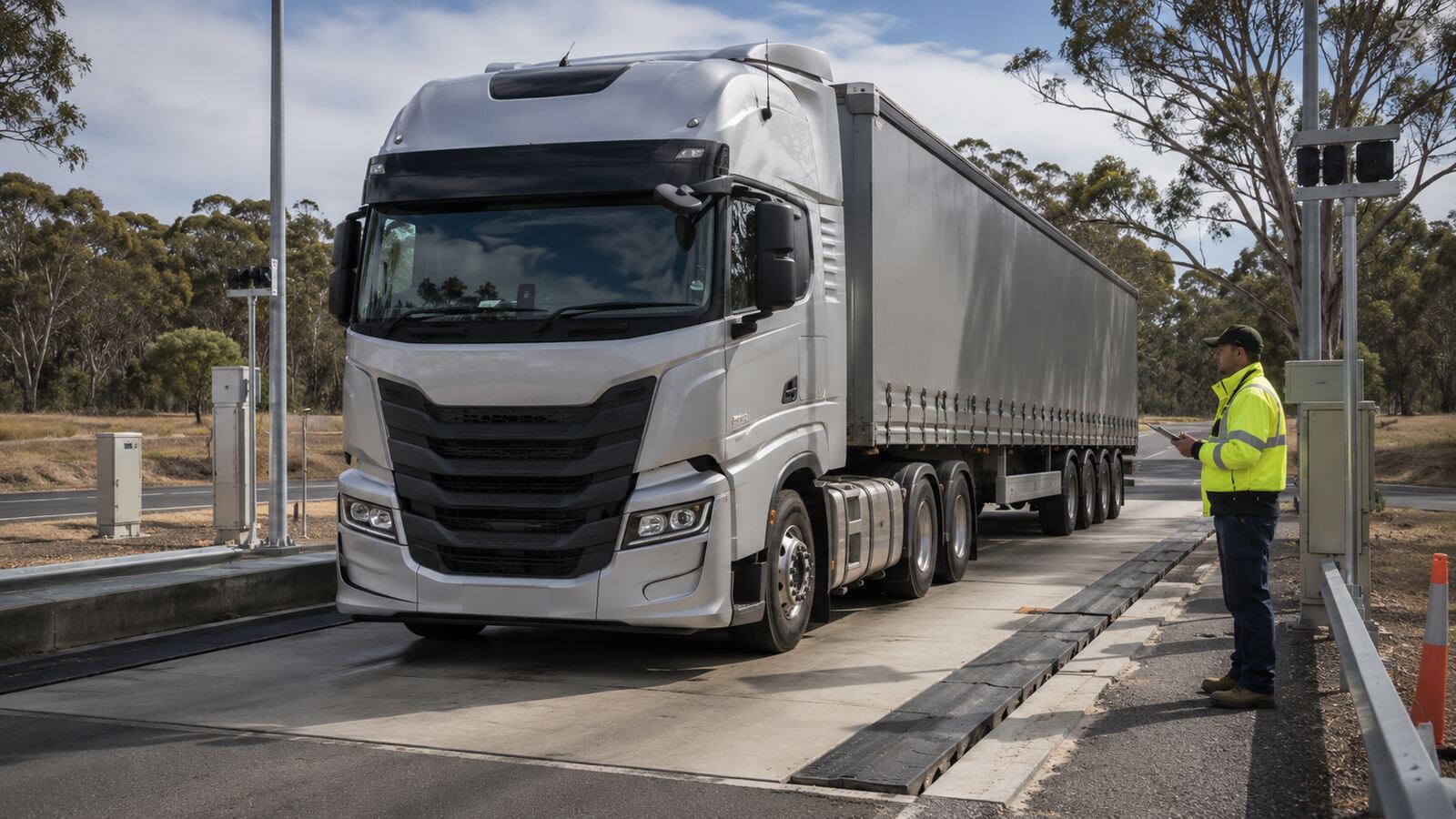
NHVR says the Euro VI mass drafting problem is fixed — but the operational explanation is still missing
The NHVR says recent Heavy Vehicle National Law amendments have resolved a drafting issue affecting the Euro VI mass exception. It did not explain what was wrong, whether operators were affected or how the interim position was enforced.
-
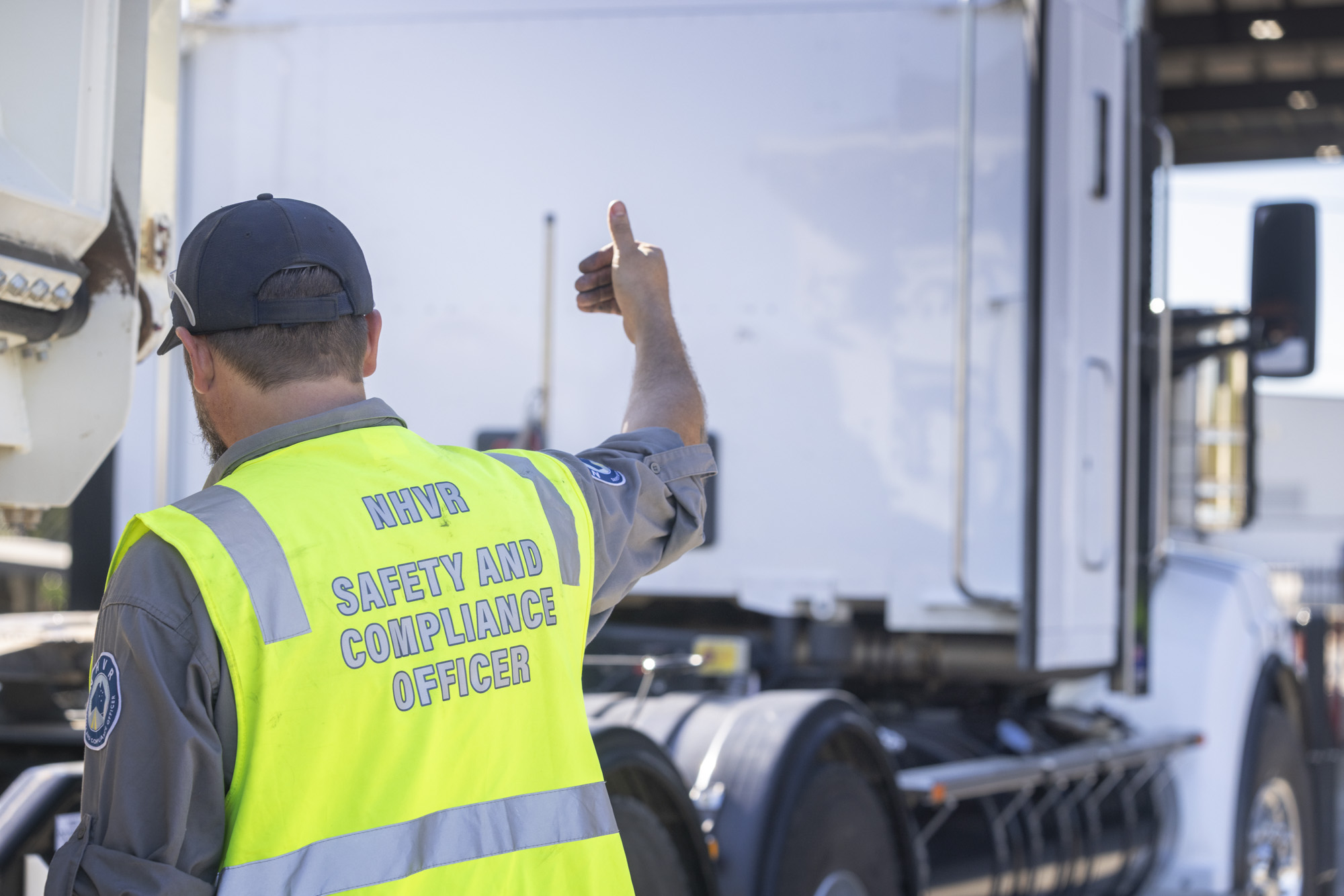
Hawkins is back on the road. The key question is still unanswered: what changed?
NHVR says identified safety risks justified stopping Hawkins Transport, then lifted the prohibition after a compliance pathway was agreed. It has acknowledged remote freight consequences — but has not disclosed what changed enough to allow operations to resume.
-
What is Performance Based Standards?
Performance Based Standards is an approval system in which an innovative heavy-vehicle design must obtain design approval, be built and certified for vehicle approval, and then obtain lawful road access through a notice or permit.
-
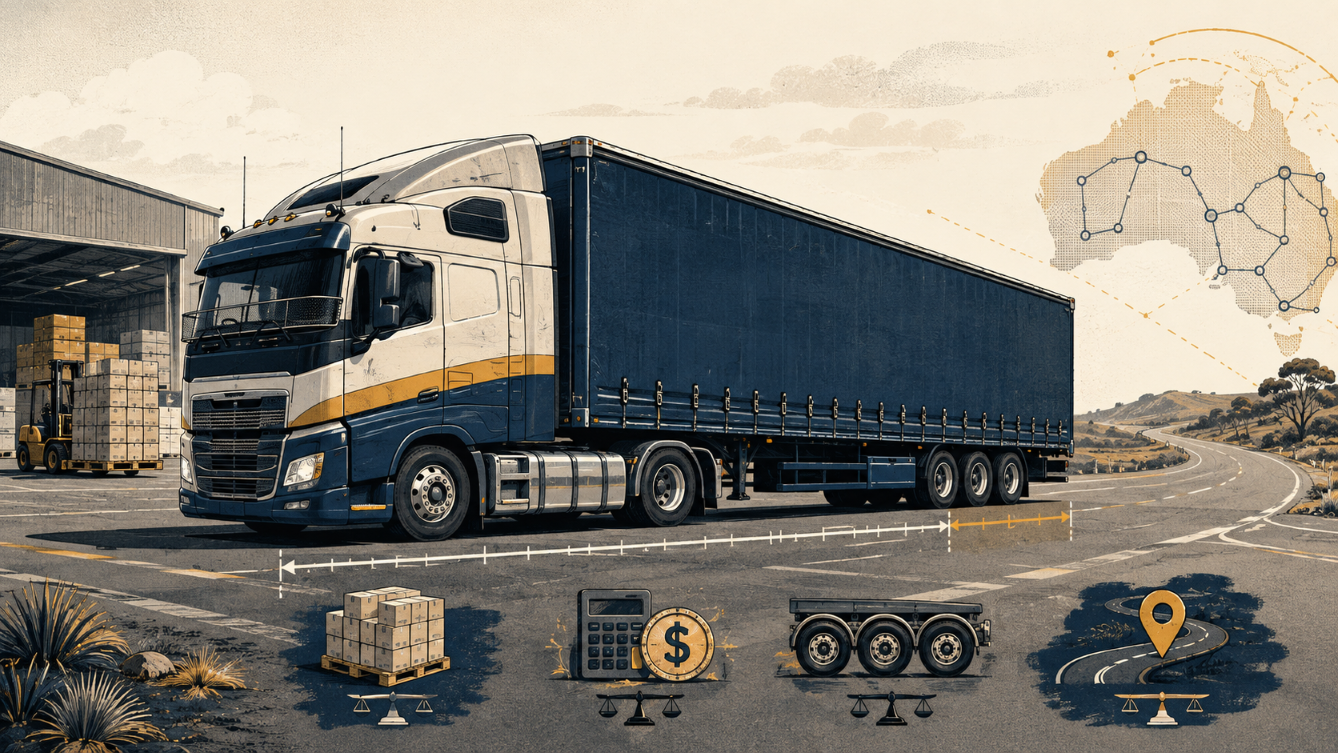
Will a 20-metre truck make you more money?
The extra metre and the shift from concessional to general mass limits can remove a costly compromise. But the winner between prescriptive 20 metres, higher mass and PBS depends on what the freight task is paying for.
-
What is a heavy-vehicle defect notice?
A heavy-vehicle defect notice is an enforcement notice identifying a vehicle defect and the restrictions, repair and clearance steps required before unrestricted use can resume.
-
What are heavy-vehicle roadworthiness and maintenance duties?
A heavy vehicle used on a road must comply with applicable vehicle standards and must not be unsafe, while each Chain of Responsibility party must control the maintenance and roadworthiness risks within its influence.
-
What is load restraint and who is responsible?
A heavy-vehicle load must be placed and restrained so the vehicle remains stable and the load is unlikely to fall or move, with responsibility extending to every party whose transport activities influence the loading risk.