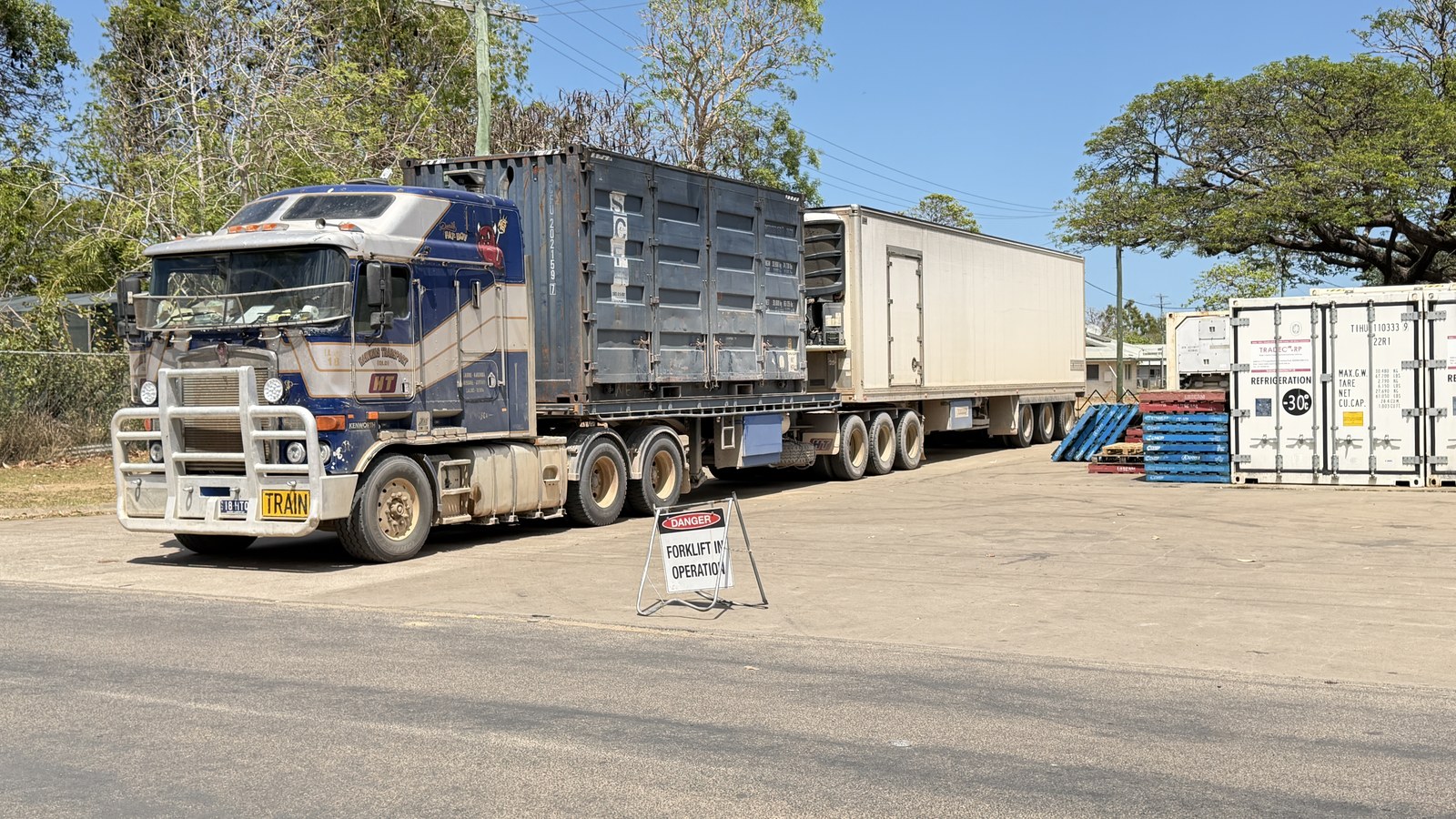
Restrictions in contracts with remote freight customers have been singled out by ACCC Chair Gina Cass-Gottlieb as an example of how targeted enforcement can remove barriers to competition without imposing wider regulation than necessary.
Opening the 2026 Australian Competition Summit on 15 October, Cass-Gottlieb pointed to the regulator’s investigation into Sea Swift. The ACCC identified contractual restrictions that could prevent rival freight providers from winning customers or entering the market.
Sea Swift agreed to remove the restrictions from its existing and future contracts, she said. The reference was to a completed enforcement outcome, not a new investigation announced at the summit.
Why freight contracts matter
For customers in remote communities, the ability to choose between freight services can depend on more than the availability of trucks or shipping capacity. Contract terms can also affect whether another provider can compete for the work.
Cass-Gottlieb used the Sea Swift outcome to illustrate a broader principle: regulators should identify the mechanism that weakens competition and direct the remedy at that mechanism.
Proportionate intervention, not regulation for its own sake
Her address described ‘right-sized regulation’ as intervention targeted at genuine risks and market failures, proportionate to the potential harm and supported by evidence of benefits and costs.
She argued that regulation can be reduced where market conditions have changed, redesigned where unnecessary costs arise, or strengthened where new barriers to competition emerge. The examples ranged from telecommunications and machinery repairs to merger assessments and contractual restrictions.
For freight operators, the speech does not announce a change to heavy-vehicle law or a new freight-specific compliance obligation. Its significance is the ACCC’s emphasis on competition barriers embedded in commercial arrangements, alongside broader concerns about supply-chain resilience and productivity.
Merger scrutiny also changing
Cass-Gottlieb said the ACCC was meeting its commitment to assess 80 per cent of acquisitions within 20 business days through early Phase 1 decisions or notification waivers under the new merger regime. She also described greater visibility of serial acquisitions across parts of the economy.
The speech did not identify a new transport-sector merger case. The relevance to freight is the regulator’s broader approach to market concentration and access for competitors, not an announced investigation of trucking operators.
Primary source: Gina Cass-Gottlieb, ‘Competition, productivity and the role of right-sized regulation’, ACCC, 15 October 2026.